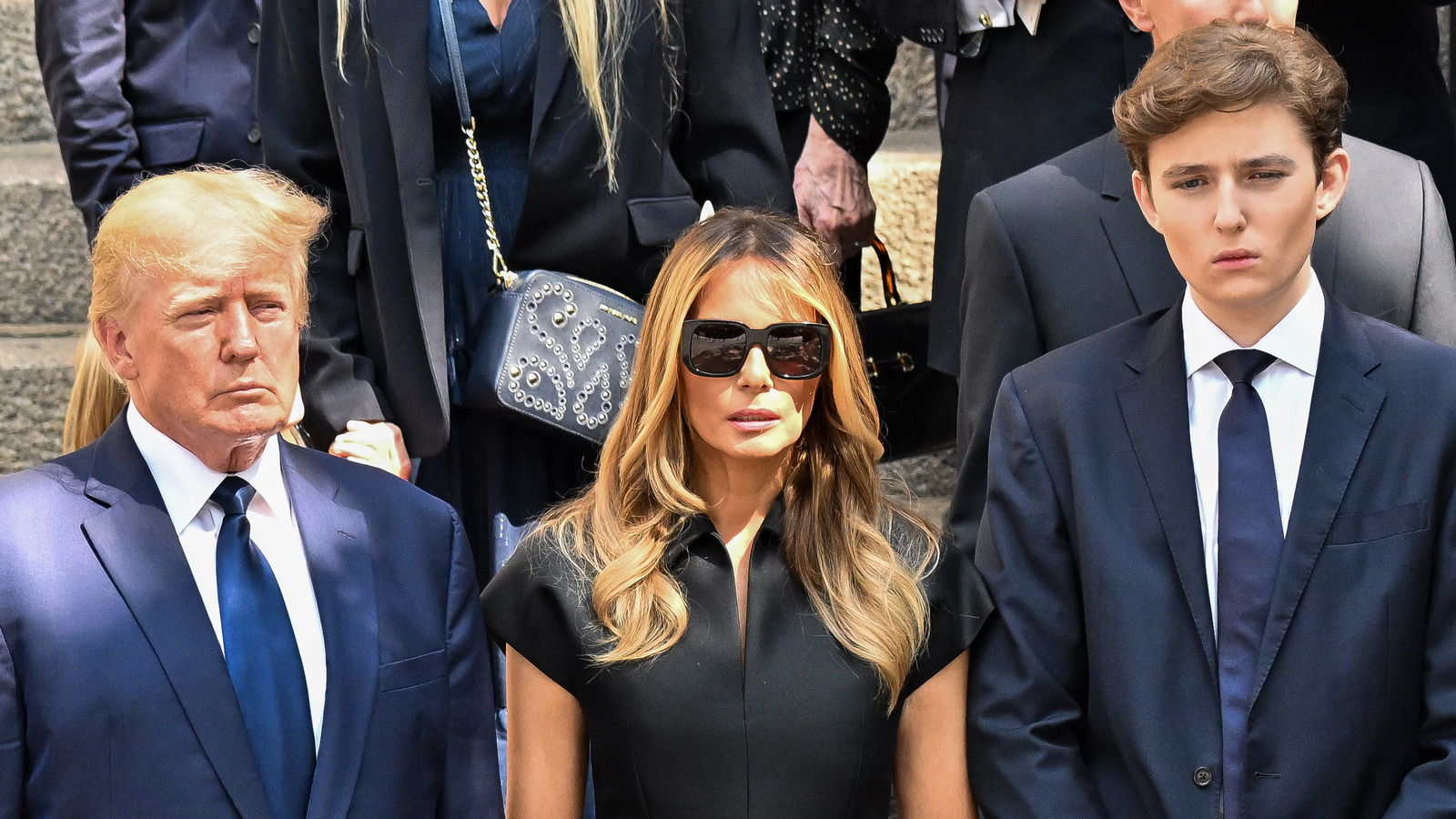
Donald Trump's Height In Cm: A Comprehensive Exploration
Understanding the height of public figures, especially those as prominent as Donald Trump, can often spark curiosity and debate. As one of the most talked-about personalities in modern history, Donald Trump's physical stature has been the subject of much discussion. While height might seem like a trivial detail, it plays a role in how a figure is perceived by the public and can even influence their leadership image. For those who are intrigued by such details, knowing Donald Trump's height in centimeters offers an interesting insight into the man behind the headlines.
Donald Trump, the 45th President of the United States, has been a towering figure in more ways than one. His influence stretches across business, media, and politics, making him an interesting subject of study not just for his policies and persona, but also for his physical characteristics. His height has been a topic of public interest, partly because he often stands taller than many of his contemporaries. By exploring Donald Trump's height in cm, we can gain a deeper understanding of how his physical presence contributes to his public image and persona.
As we delve into the details of Donald Trump's height, we will explore not just the numerical aspect, but also its implications and relevance. This article will provide a comprehensive overview of Donald Trump's height, from biographical insights to the significance of height in public perception, and even how it compares to other world leaders. Additionally, we will cover frequently asked questions, offering a holistic view of this intriguing topic. Let's dive into the multifaceted dimensions of Donald Trump's height in cm, offering you an informative and engaging exploration of this aspect of his persona.
- Demetrius Bell
- Cole Brings Plenty
- Why Is The Maxwell Trial A Secret Nude Photos And Porn Leaks Expose The Cover Up
Table of Contents
- Biography of Donald Trump
- Donald Trump's Personal Details
- Significance of Height in Politics
- Donald Trump Height in cm
- Historical Perspectives on Presidential Heights
- Height Comparison with Other World Leaders
- Psychology of Height and Leadership
- Impact of Height on Media Perception
- Public Reaction to Donald Trump's Height
- Height and Health Considerations
- Donald Trump's Height in Popular Culture
- Frequently Asked Questions
- Conclusion
Biography of Donald Trump
Donald John Trump was born on June 14, 1946, in Queens, New York City, into the family of real estate developer Fred Trump. With a flair for business and a strong presence, Donald Trump rose to prominence in the real estate industry, eventually diversifying his ventures into entertainment and politics. He graduated from the Wharton School of the University of Pennsylvania in 1968 with a degree in economics, which laid the foundation for his business career.
Trump's real estate endeavors began with his family's business, Elizabeth Trump & Son, which he later renamed The Trump Organization. Over the years, he expanded his empire, building hotels, casinos, and skyscrapers, and branding his name across various luxury products. His television career took off with the reality show "The Apprentice," which further cemented his status as a household name.
In 2016, Donald Trump was elected as the President of the United States, a victory that was both surprising and polarizing. His presidency was marked by significant policy changes, a strong focus on national security, and a unique approach to diplomacy. Trump's leadership style, characterized by assertiveness and direct communication, often drew mixed reactions from both domestic and international audiences.
Personal Details and Bio Data
| Full Name | Donald John Trump |
|---|---|
| Date of Birth | June 14, 1946 |
| Place of Birth | Queens, New York City, USA |
| Education | Wharton School of the University of Pennsylvania |
| Professional Background | Businessman, Television Personality, Politician |
| Political Affiliation | Republican |
Significance of Height in Politics
Height has long been considered a symbol of power and authority, influencing public perception in various spheres of life, including politics. In political contexts, taller individuals are often perceived as more commanding and authoritative figures, which can impact voter confidence and perceptions of leadership capability. This subconscious bias towards height may stem from evolutionary psychology, where taller individuals are seen as more capable of providing leadership and protection.
Throughout history, many notable political leaders have been taller than average, which may have played a role in their public image and electoral success. For instance, Abraham Lincoln, known for his towering stature, remains one of the most revered U.S. presidents. His height contributed to his imposing presence and may have reinforced his image as a strong and capable leader during the tumultuous period of the Civil War.
In modern politics, while policies and charisma are pivotal to a candidate's success, physical attributes such as height can subtly influence public perception. This phenomenon is not limited to presidential elections in the United States but can be observed globally. As such, the height of political figures like Donald Trump becomes a point of interest and discussion, as it adds another dimension to the complex tapestry of their public persona.
Donald Trump Height in cm
Donald Trump's height has been officially documented as 6 feet 3 inches, which translates to approximately 190.5 centimeters. This stature places him among the taller U.S. presidents, contributing to his commanding presence both in business and political arenas. The discussion around Donald Trump's height in cm is not merely about numbers but also about how this aspect of his physicality influences his public image.
Tall stature in leaders is often associated with strength, confidence, and authority, traits that have been part of Trump's public persona. His height has been a topic of interest, especially in media portrayals and public appearances, where he often stands out among peers. This physical characteristic complements his bold and assertive communication style, enhancing his overall presence.
Understanding Donald Trump's height in cm also offers a comparative lens when looking at other world leaders. In politics, where optics play a crucial role, physical attributes such as height can influence public perception and media narratives. As we explore this aspect further, it becomes evident that height, while a simple physical trait, carries significant weight in shaping the persona of influential figures like Donald Trump.
Historical Perspectives on Presidential Heights
The history of U.S. presidents reveals intriguing insights into the heights of these leaders and how it may have influenced their public perception and electoral success. Historically, taller candidates have often been perceived as more presidential, with height contributing to their authoritative presence. This trend can be observed in several presidential elections, where the taller candidate often emerged victorious.
For instance, Abraham Lincoln, standing at 6 feet 4 inches, was the tallest U.S. president and remains an iconic figure in American history. His height not only set him apart physically but also contributed to his commanding presence during speeches and public appearances. Similarly, Lyndon B. Johnson, another tall president at 6 feet 3.5 inches, leveraged his height to assert influence and leadership during his tenure.
In contrast, shorter presidents such as James Madison, who stood at 5 feet 4 inches, often faced different challenges in public perception. While their policies and leadership capabilities were significant, their physical stature sometimes posed hurdles in commanding the same presence as their taller counterparts. This historical perspective highlights the nuanced role of height in shaping presidential images and public perceptions throughout U.S. history.
Height Comparison with Other World Leaders
In the realm of international politics, height is not just a matter of physical measurement but also a factor that contributes to the overall presence and perception of world leaders. Donald Trump's height in cm, at approximately 190.5 cm, positions him among the taller figures in global leadership circles. This stature is often perceived as an asset, enhancing his visual impact during diplomatic engagements and public appearances.
When compared to other world leaders, Trump's height stands out. For instance, Vladimir Putin, the President of Russia, is reported to be approximately 170 cm tall, while Emmanuel Macron, the President of France, stands at roughly 173 cm. These comparisons highlight how Trump's height can influence the dynamics of international meetings and media portrayals, often giving him a more imposing presence.
However, height is just one aspect of a leader's persona, and while it may influence perceptions, it does not solely determine leadership effectiveness or diplomatic success. The interplay of policies, charisma, and communication skills are equally, if not more, important in shaping the legacy and influence of world leaders. Nonetheless, understanding these height comparisons provides an interesting dimension to the public and diplomatic personas of leaders like Donald Trump.
Psychology of Height and Leadership
The psychology behind height and leadership is a fascinating area of study, exploring how physical stature can subconsciously influence perceptions of authority and competence. Research in social psychology suggests that taller individuals are often perceived as more dominant and capable, attributes that can enhance their leadership image. This perception is rooted in evolutionary psychology, where height is associated with strength and protection.
In leadership contexts, this bias towards height can manifest in various ways. Taller leaders are often seen as more confident and commanding, traits that are desirable in positions of authority. This perception can influence not only public opinion but also internal dynamics within organizations or governments, where taller leaders may naturally command more respect and attention.
For figures like Donald Trump, whose height is notable, this psychological aspect can play a role in how he is perceived by both supporters and critics. While leadership effectiveness is multifaceted and not solely dependent on physical traits, understanding the psychology of height provides valuable insights into the complex interplay between physicality and leadership perception.
Impact of Height on Media Perception
Media perception plays a crucial role in shaping the public image of leaders, and physical attributes such as height can significantly influence this portrayal. In the case of Donald Trump, his height in cm has been a point of discussion in various media outlets, often contributing to his larger-than-life persona. The media's portrayal of Trump's height can impact how he is perceived by the public, influencing narratives around his leadership style and authority.
Visual media, such as photographs and television, amplify the effect of height, where taller individuals naturally appear more prominent in group settings. This visual impact can enhance a leader's presence, making them more memorable and influential in public perception. For Trump, whose height is above average, this media portrayal aligns with his assertive and bold communication style, reinforcing his image as a powerful and authoritative figure.
However, media perception is not solely determined by physical attributes, as it is shaped by a myriad of factors including political biases, public opinion, and current events. While Trump's height contributes to his media portrayal, it is his policies, rhetoric, and actions that ultimately define his legacy and influence in the public eye. Nonetheless, understanding the impact of height on media perception provides a nuanced view of how leaders like Donald Trump are represented in the public sphere.
Public Reaction to Donald Trump's Height
Public reaction to Donald Trump's height has been varied, with some viewing it as a symbol of strength and authority, while others see it as merely a physical attribute with little bearing on leadership capability. For many supporters, Trump's height is seen as an asset, reinforcing his image as a commanding and assertive leader. This perception aligns with the historical bias towards taller leaders, who are often viewed as more capable and authoritative.
However, critics of Trump may downplay the significance of his height, focusing instead on his policies and actions rather than his physical stature. In political discourse, physical attributes such as height can sometimes be overshadowed by more pressing issues and debates, where leadership effectiveness is measured by accomplishments and decision-making rather than physical traits.
Overall, public reaction to Trump's height reflects the diverse opinions and perspectives surrounding his leadership. While height may contribute to his public image, it is the interplay of his policies, communication style, and persona that ultimately shapes his standing in the eyes of the public. Understanding these reactions provides insight into the complex dynamics of political perception and the role of physical attributes in shaping public opinion.
Height and Health Considerations
While height is often viewed in the context of physical appearance and influence, it also has implications for health and well-being. For Donald Trump, whose height in cm is around 190.5, certain health considerations come into play, particularly in terms of maintaining a healthy lifestyle and managing age-related health risks. Taller individuals may experience different health challenges compared to those of average or shorter stature.
Research suggests that taller individuals may be at a higher risk for certain conditions such as cardiovascular issues and joint problems, due to the increased strain on the body. However, they may also have a lower risk of developing other conditions, such as heart disease, due to various physiological factors. For leaders like Trump, maintaining a balanced lifestyle with regular exercise and a healthy diet is crucial in managing these health considerations.
In addition to physical health, height can also impact psychological well-being and self-perception. Taller individuals may experience a confidence boost due to societal perceptions, which can positively influence their mental health and overall outlook. Understanding these health considerations provides a comprehensive view of how height impacts not just public perception, but also the personal and health aspects of a leader's life.
Donald Trump's Height in Popular Culture
Donald Trump's height has not only been a topic of discussion in political and media circles but has also permeated popular culture, where it is often referenced in various forms of entertainment and satire. From comedic sketches to social media memes, Trump's height in cm has become a part of his pop culture persona, contributing to the larger narrative surrounding his public image.
In television and film, Trump's towering presence is often depicted in ways that highlight his commanding stature, sometimes exaggerating it for comedic or dramatic effect. These portrayals play on the public's fascination with physical attributes and their impact on persona, using height as a metaphor for power and influence.
On social media platforms, discussions around Trump's height often include humor and satire, reflecting the diverse ways in which popular culture engages with public figures. These cultural references contribute to the ongoing dialogue about Trump's persona, blending entertainment with political commentary and providing a multifaceted view of his influence in contemporary society.
Frequently Asked Questions
1. What is Donald Trump's height in cm?
Donald Trump's height is approximately 190.5 cm, or 6 feet 3 inches.
2. How does Donald Trump's height compare to other U.S. presidents?
Trump is among the taller U.S. presidents, with his height placing him in the upper range compared to others such as Abraham Lincoln and Lyndon B. Johnson.
3. Does height influence leadership effectiveness?
While height can influence public perception, leadership effectiveness is determined by a combination of skills, policies, and actions rather than physical attributes alone.
4. How does media portrayal of Trump's height impact his public image?
Media portrayal of Trump's height can enhance his commanding presence, contributing to his larger-than-life persona. However, it is his actions and policies that ultimately define his public image.
5. Are there any health considerations associated with Trump's height?
Taller individuals may face certain health challenges, such as joint issues, but may also have health advantages. Maintaining a healthy lifestyle is crucial for managing these considerations.
6. How is Trump's height referenced in popular culture?
Trump's height is often referenced in popular culture through comedic portrayals, social media memes, and entertainment, reflecting public fascination with his physical presence.
Conclusion
Exploring Donald Trump's height in cm offers a fascinating glimpse into the intricate dynamics of public perception, leadership, and cultural representation. While height is just one aspect of Trump's multifaceted persona, it contributes to the broader narrative of his influence and presence in the public sphere. From historical comparisons to psychological insights, this comprehensive exploration highlights the diverse ways in which height intersects with leadership and public image.
As we consider the role of height in politics and beyond, it becomes clear that physical attributes, while influential, are part of a larger tapestry of factors that shape a leader's legacy. For Donald Trump, his height is both a literal and metaphorical symbol of his towering presence in modern history, offering an intriguing dimension to the ongoing dialogue about his impact on the world stage.
In conclusion, understanding Donald Trump's height in cm provides a unique perspective on the interplay between physicality and perception, enriching our understanding of the complex narratives that define influential figures like Trump. As we continue to engage with these topics, the exploration of height and its implications remains a compelling aspect of studying leadership and public personas.